Artist’s Isle
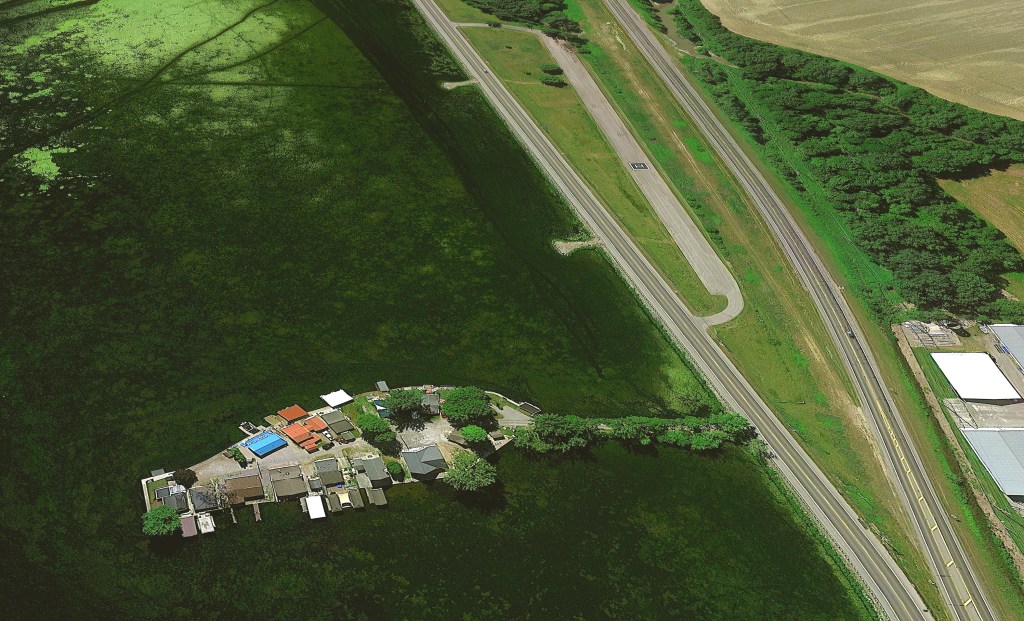
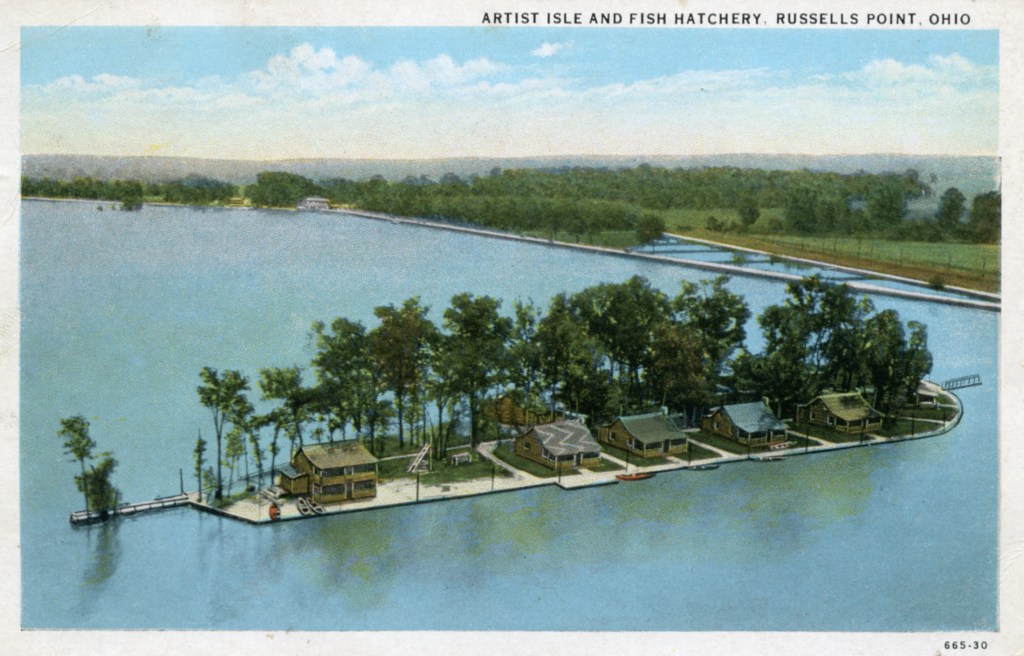

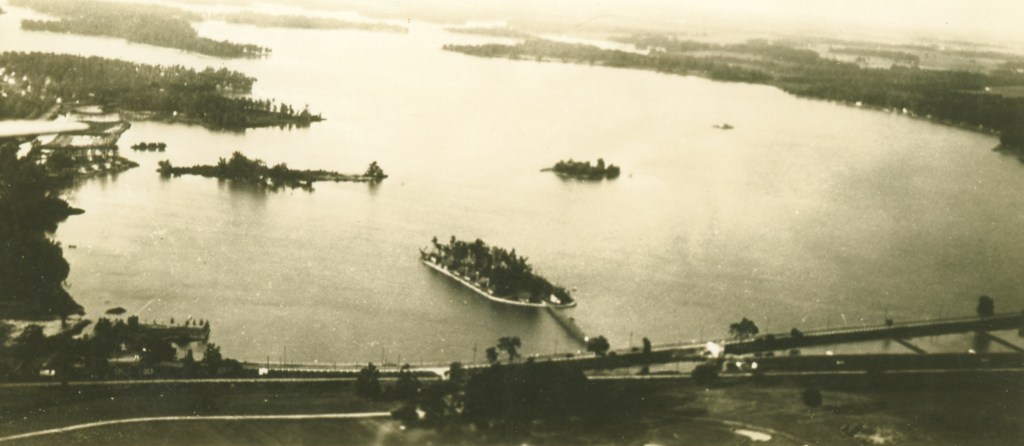
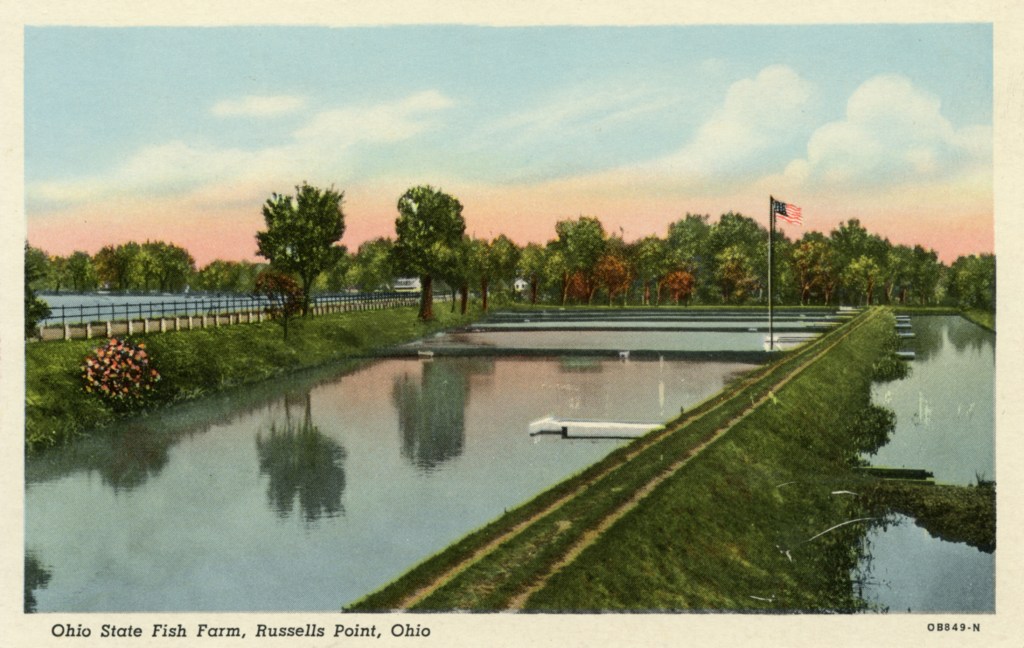
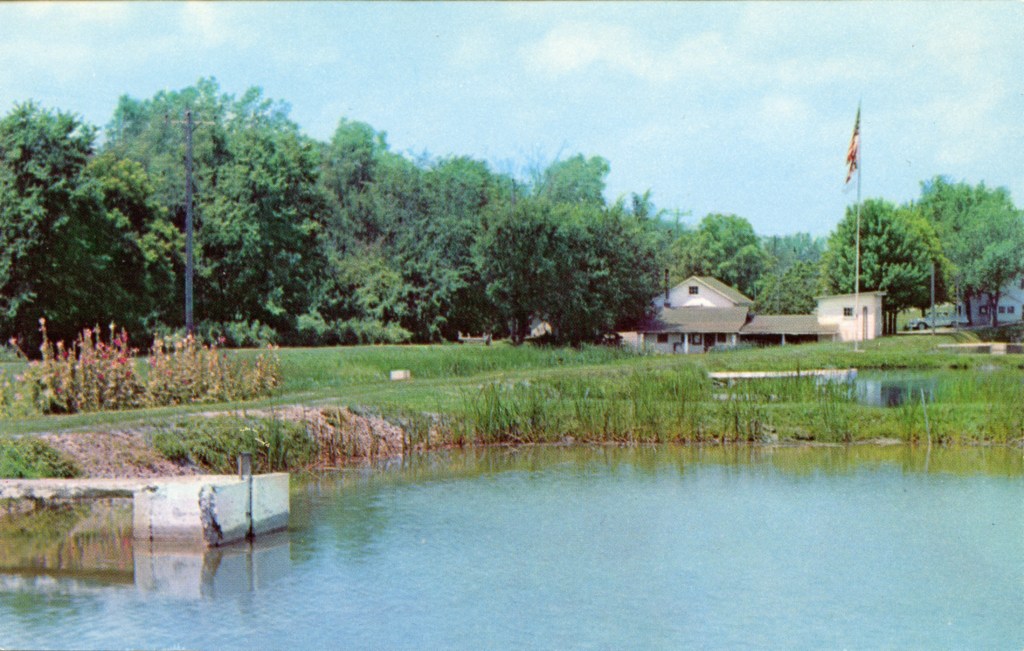
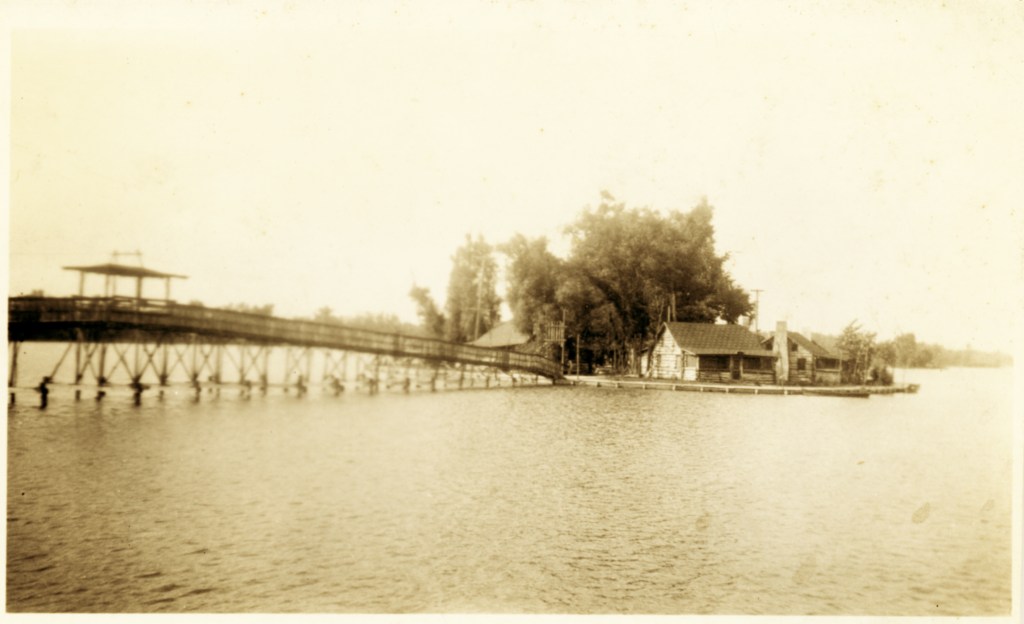
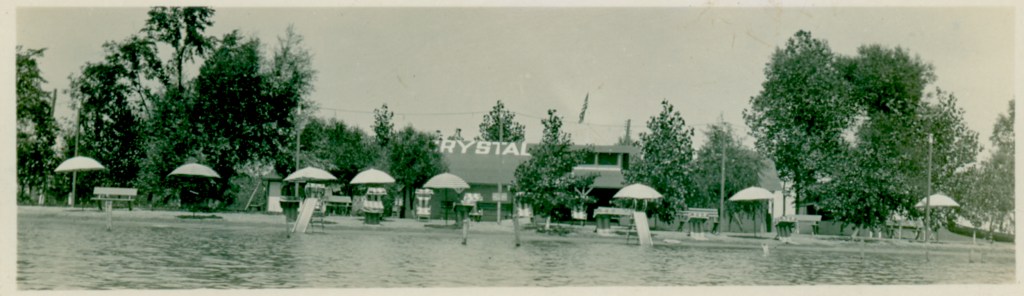
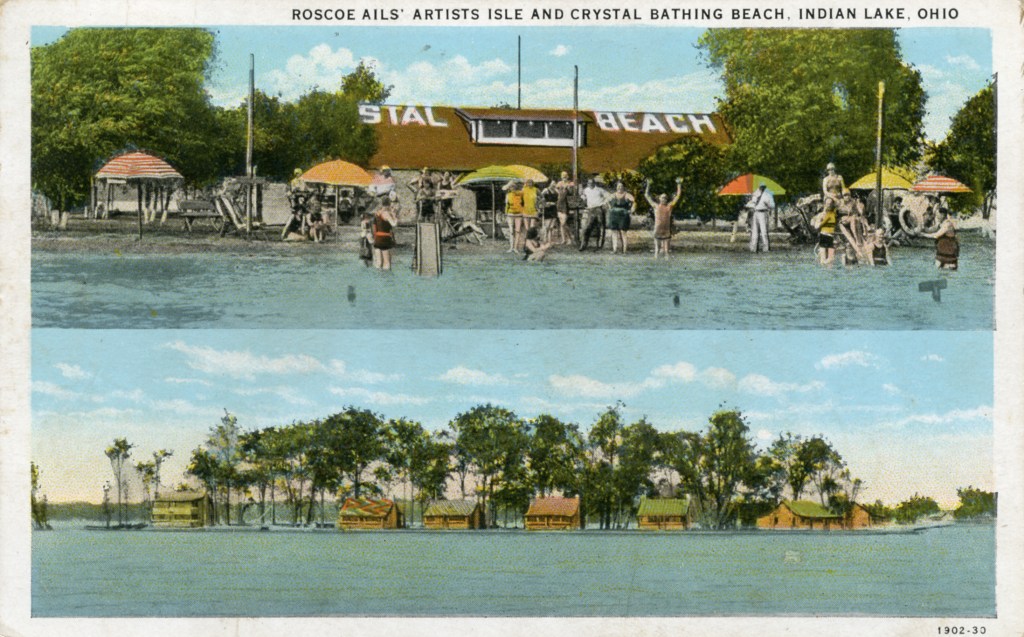
According to earlier accounts, there were two fish hatcheries at Indian Lake. The largest one shown here was a short distance from the spillway, south of the road and can be seen in the background of this postcard. The hatcheries, which were in operation from the 1930s to the 1950s, ensured the lake was always stocked with fish. The second, smaller hatchery, was believed to be located at the north end of Artist Isle. However, the aerial view of Artist Isle looking eastward shows only a pier extending north into the lake. As the GoogleEarth image shows the fish hatchery between State Route 366 and U.S. 33 has been filled in since the postcard was taken.
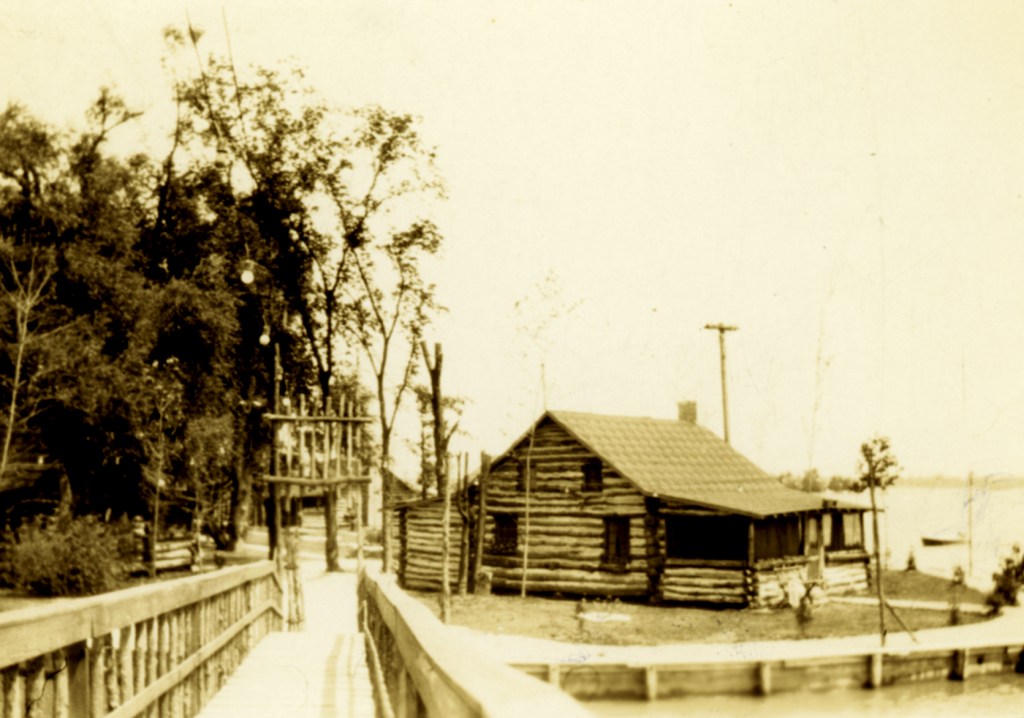
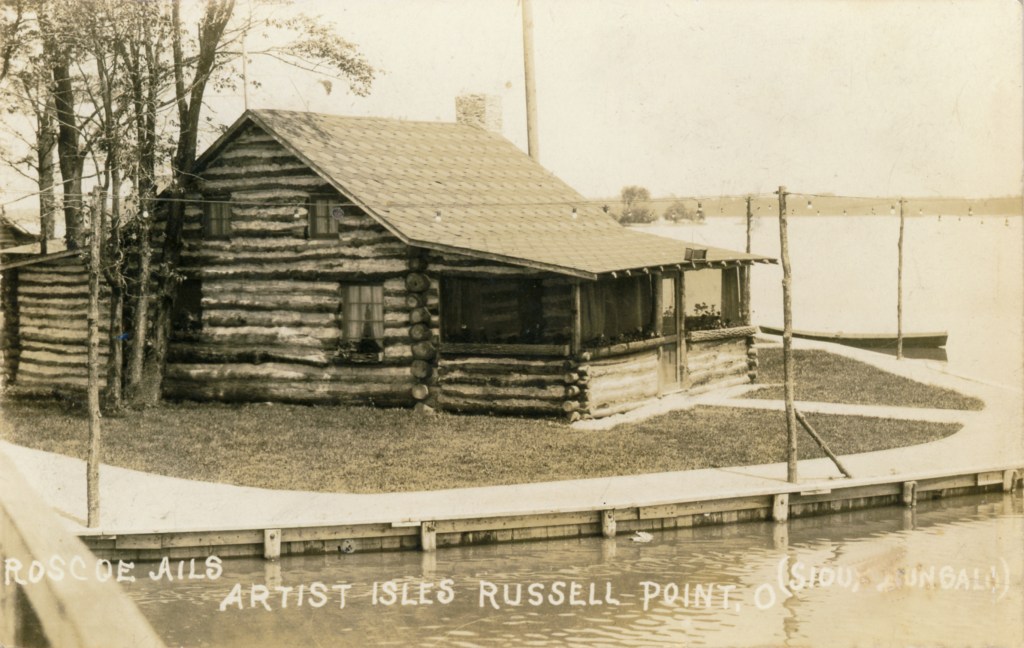
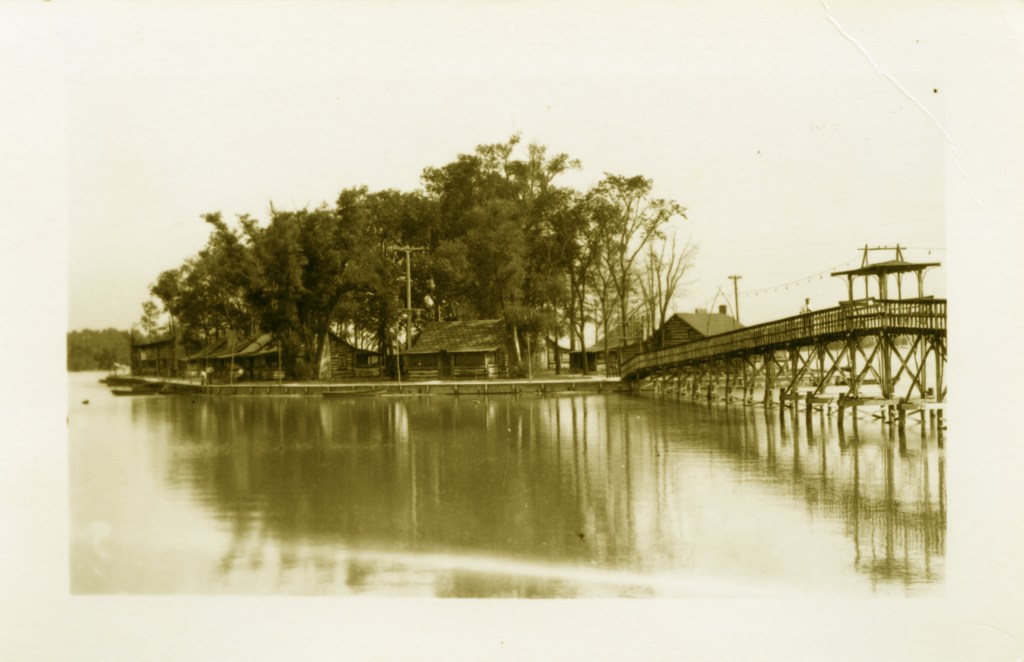
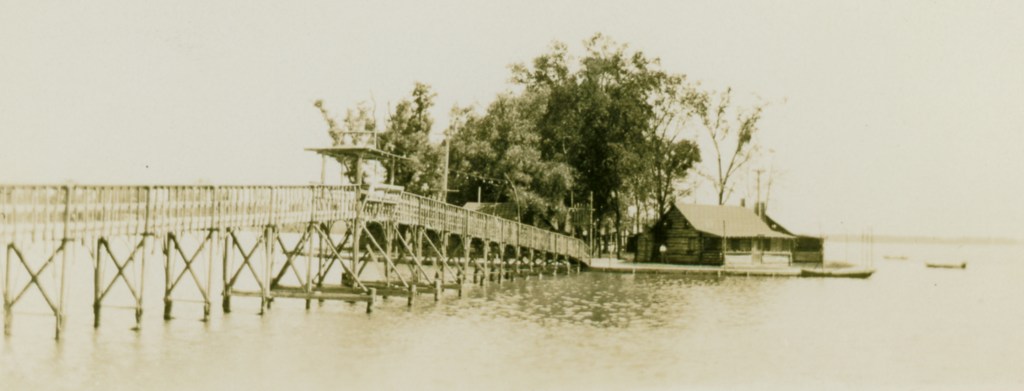
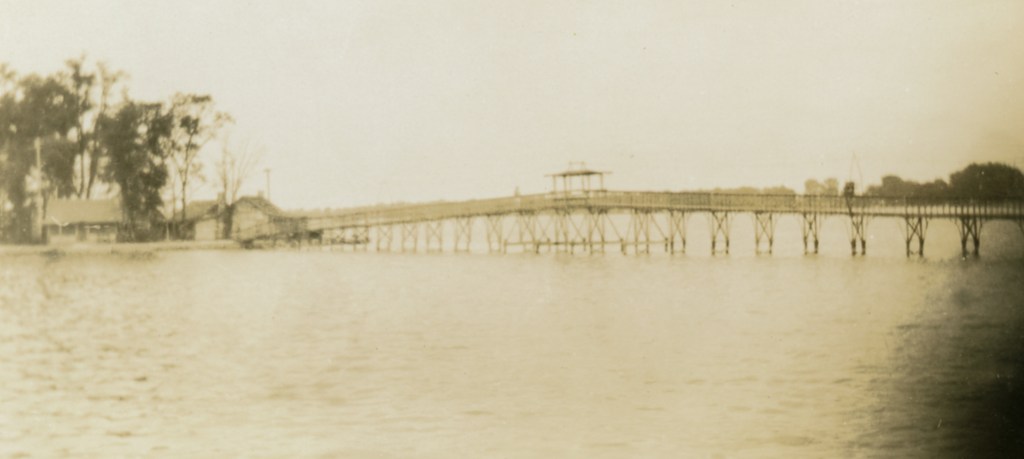
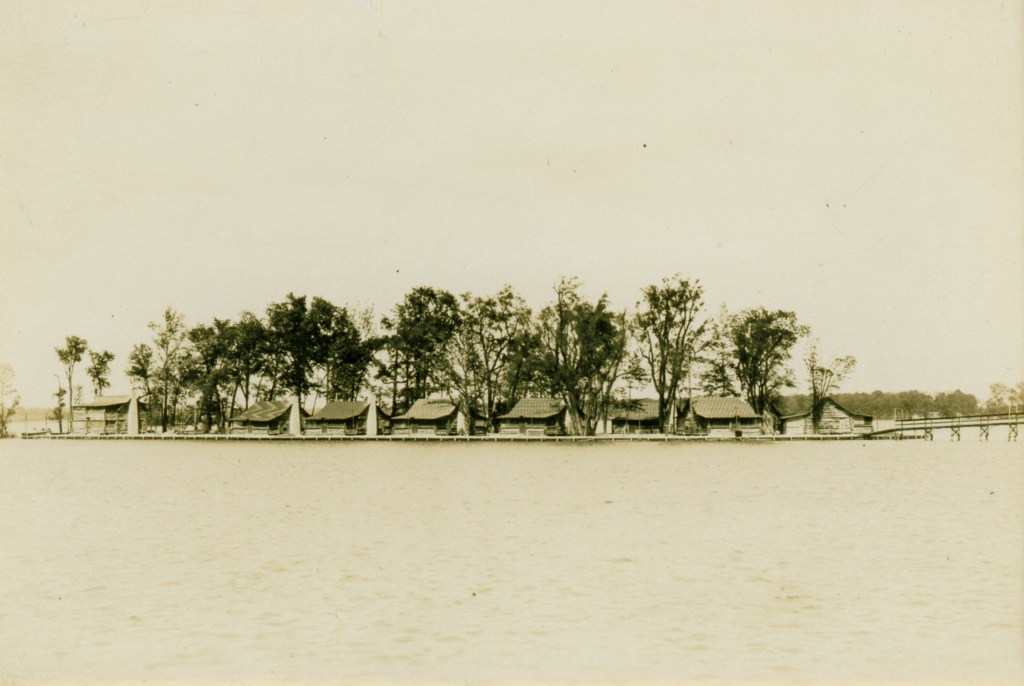
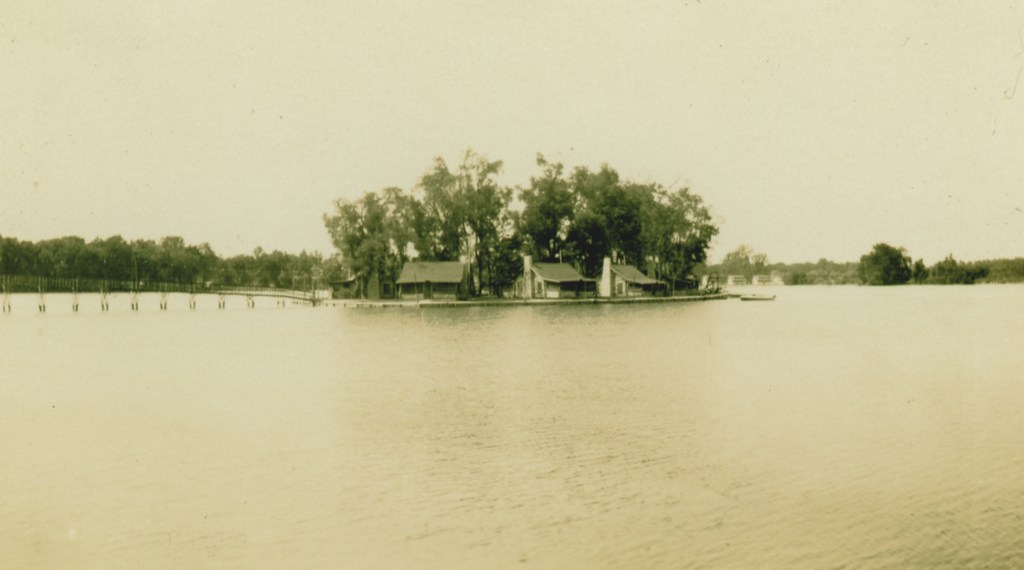
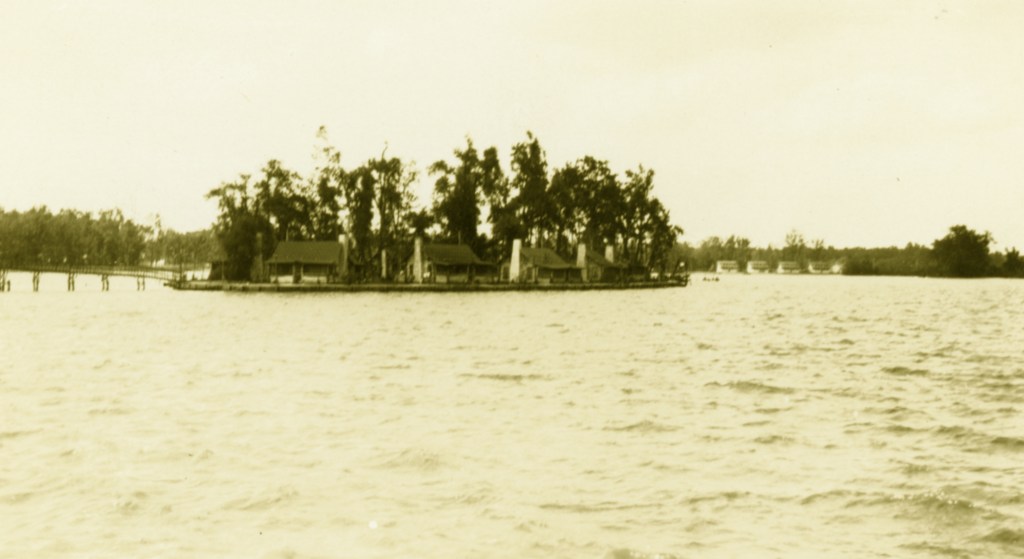
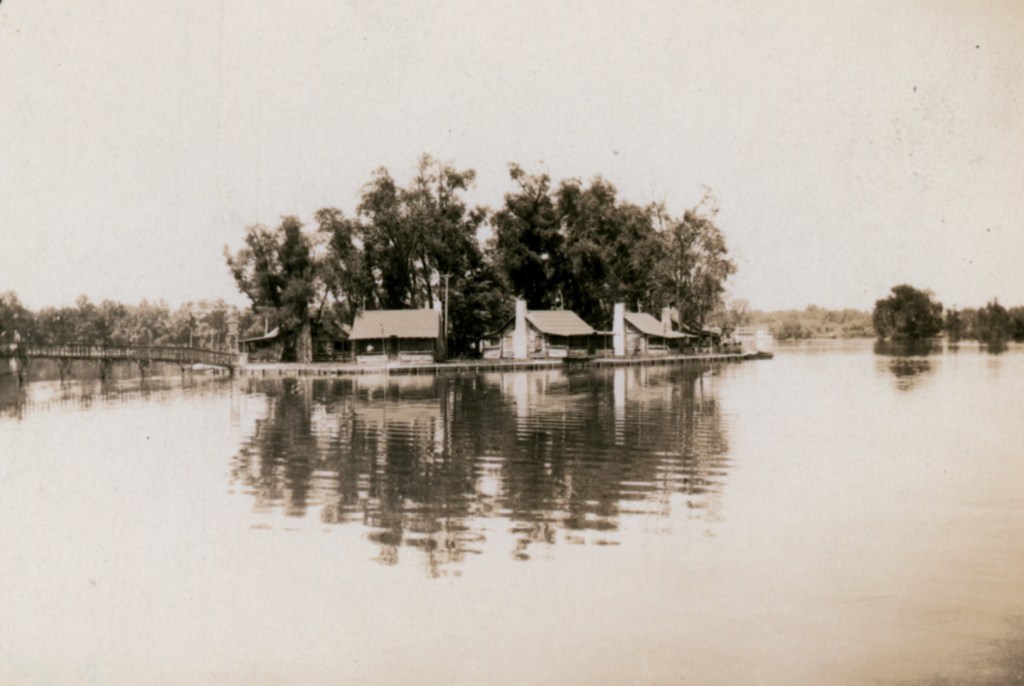
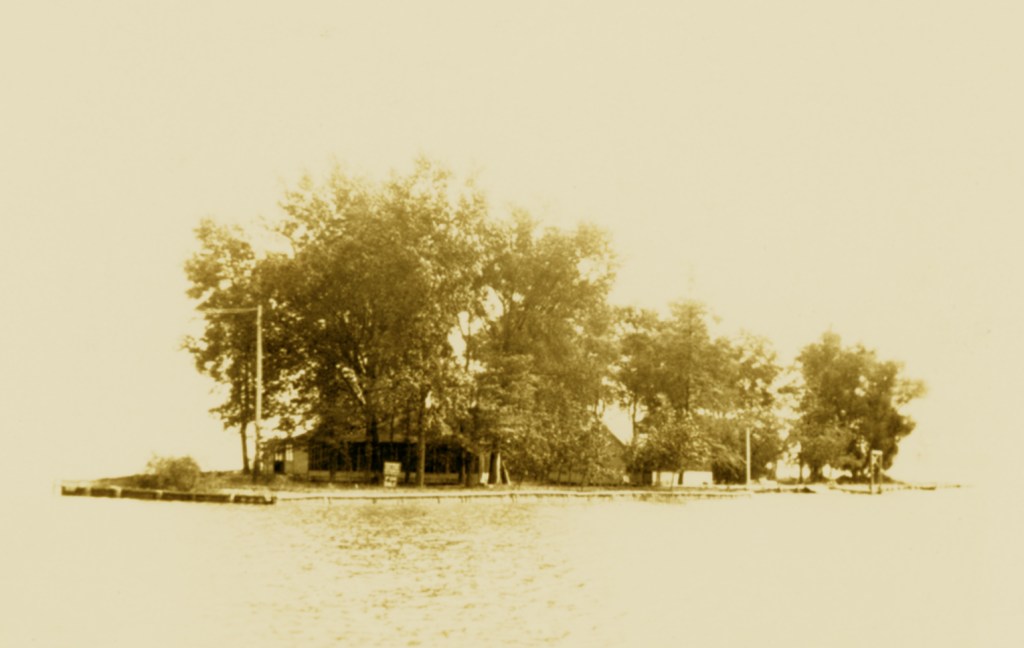
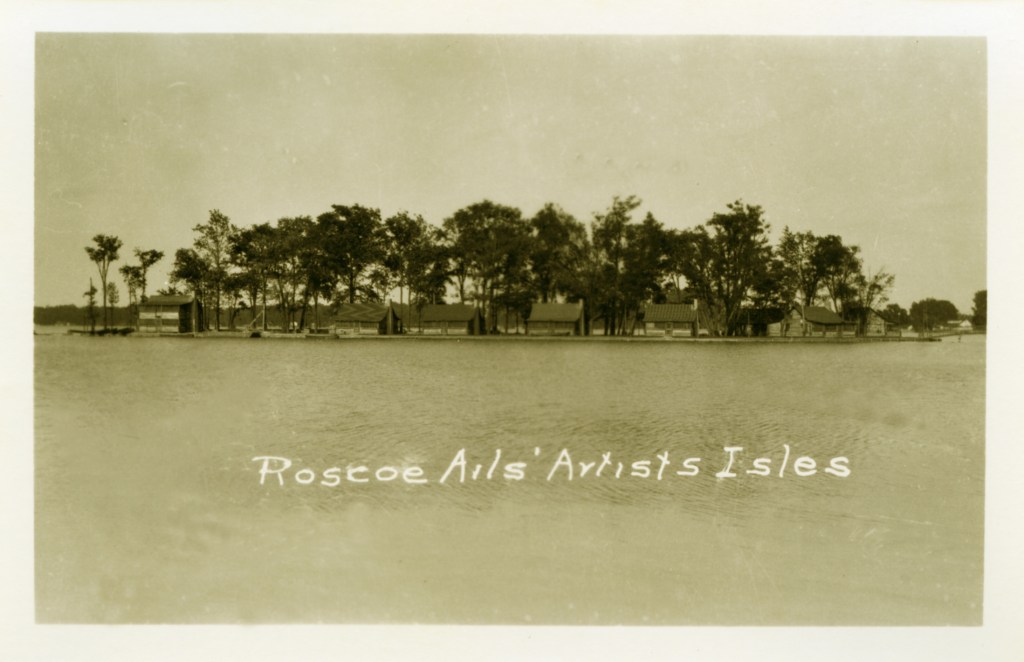
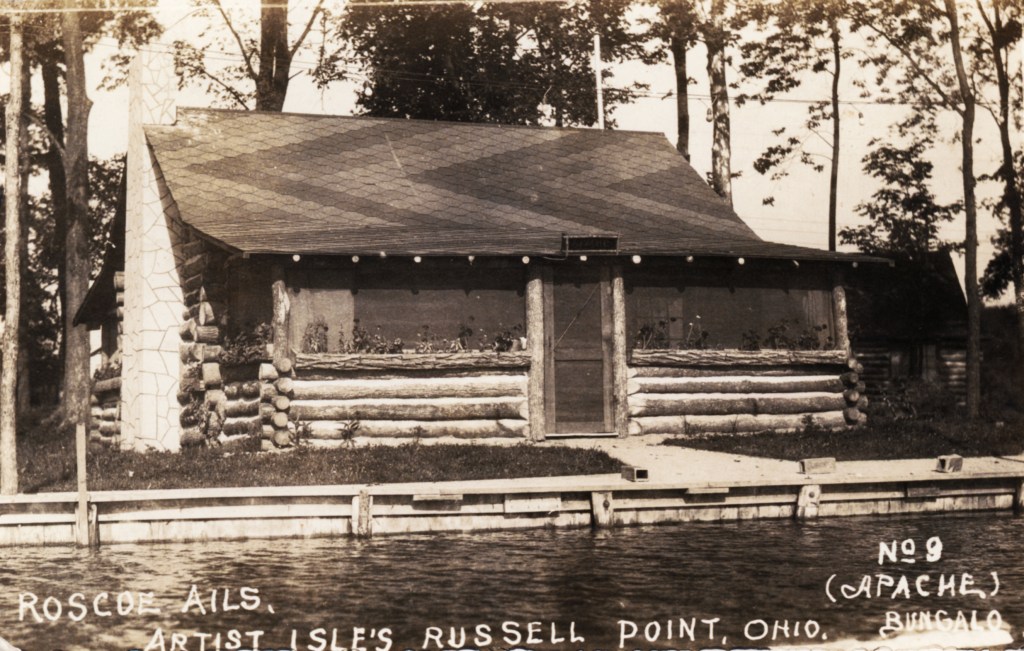
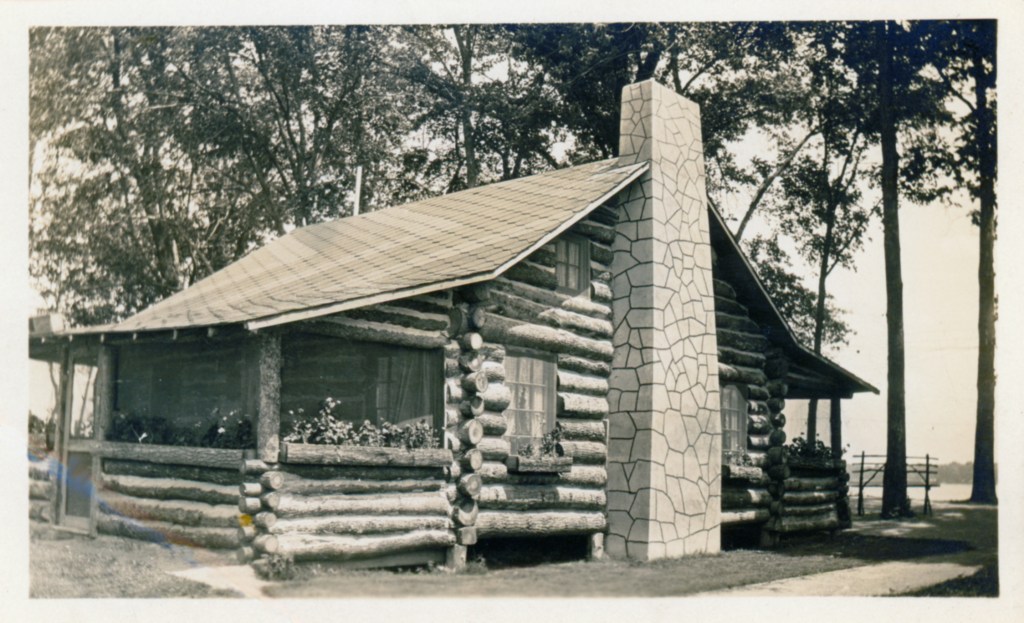
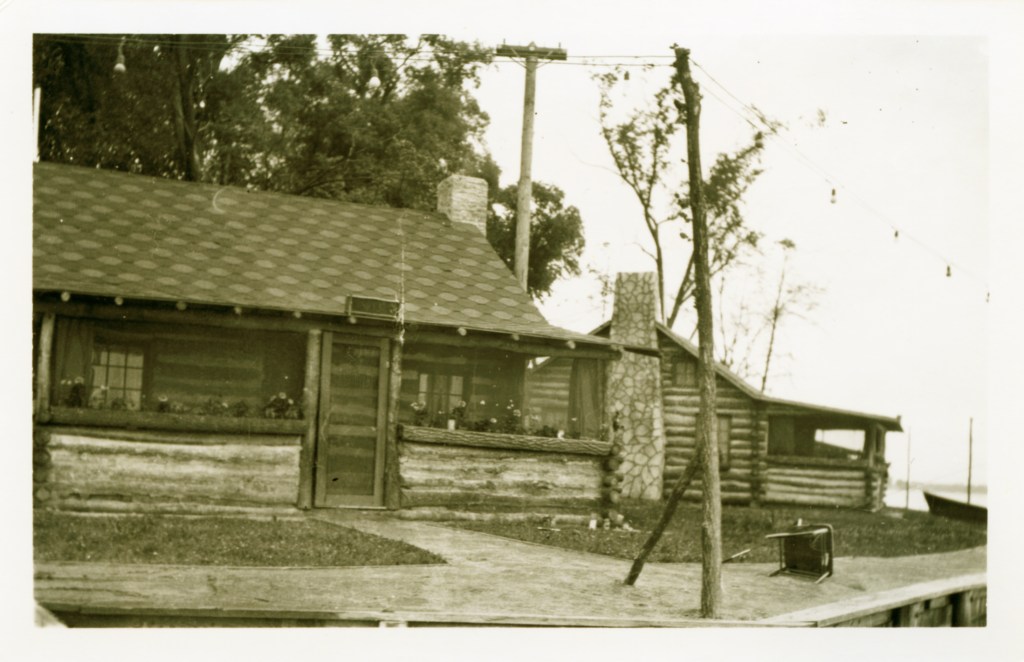
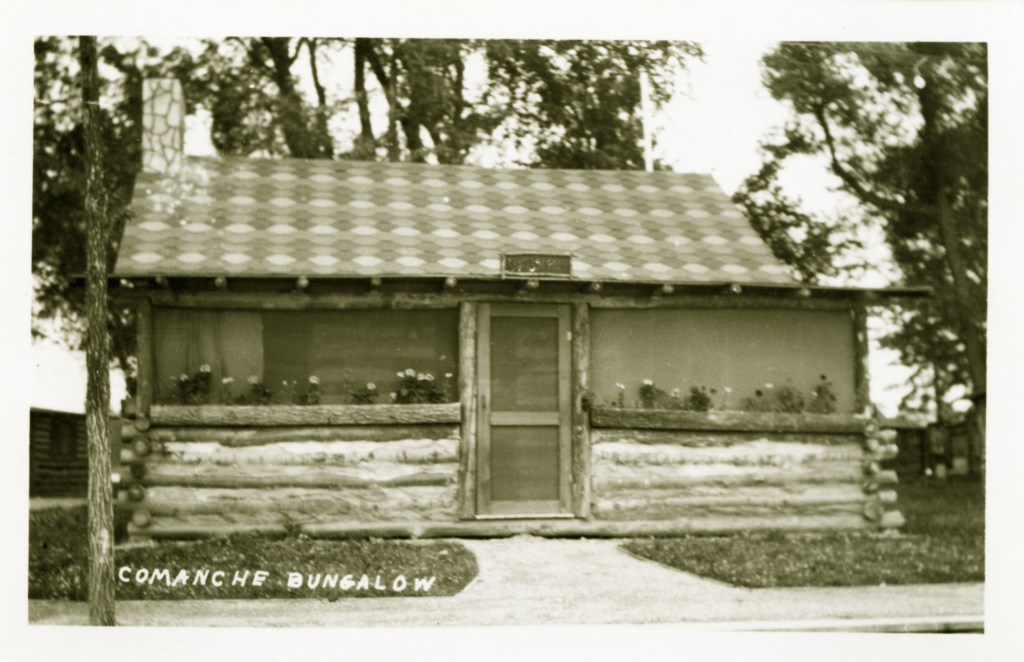
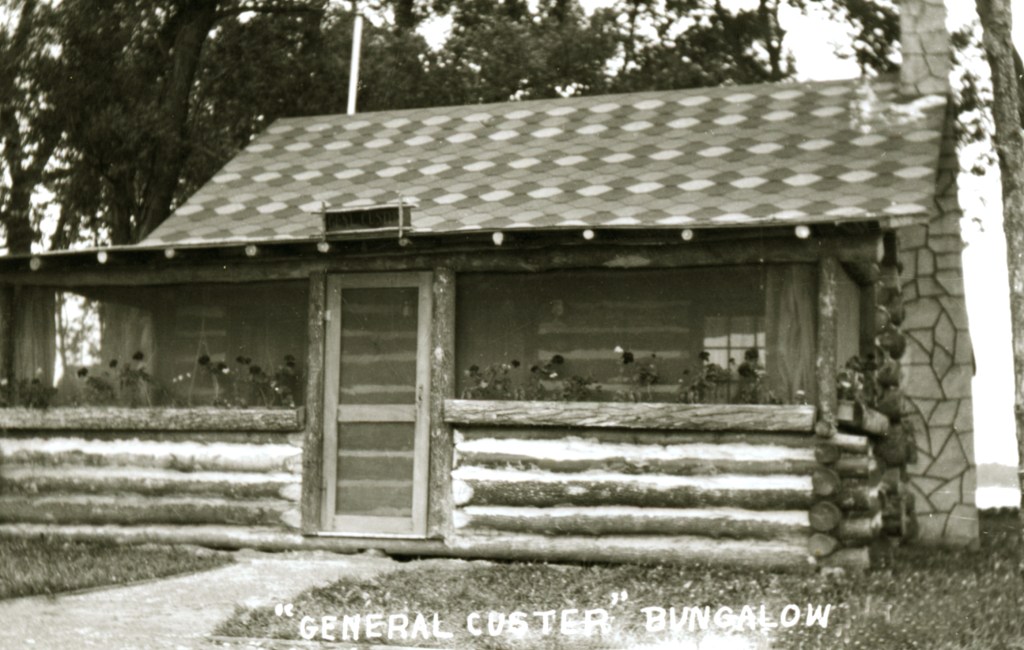
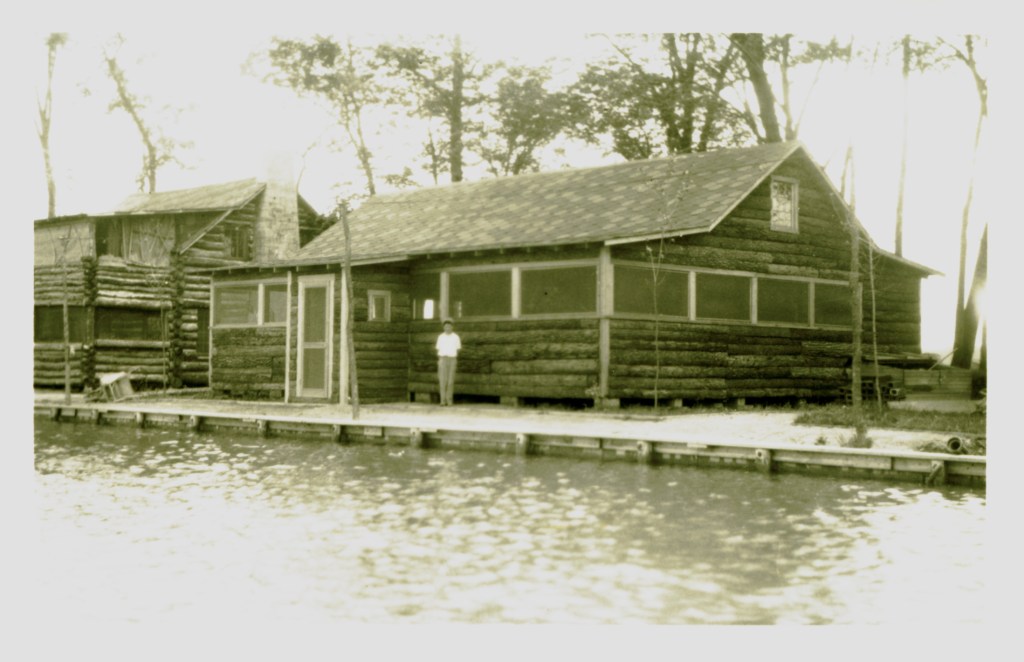
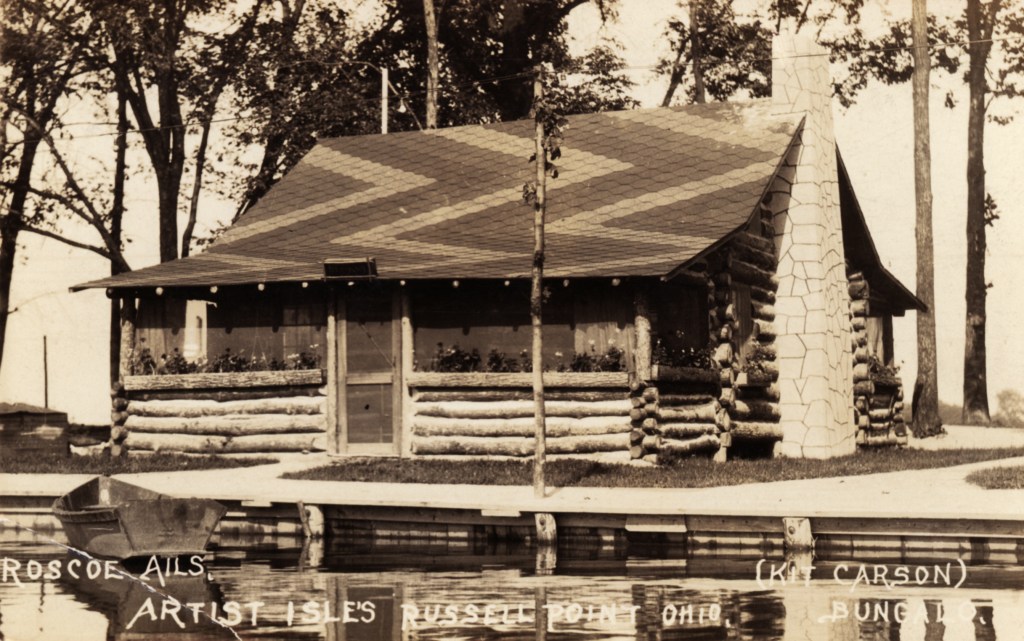
In the early days, access from Artist Isle to the mainland was via a footbridge. Roger Ails built cottages on the island to provide a secluded place for his fellow actors, to get away from life in the big city. The island also served as a retreat where actors could prepare for upcoming shows. He had a stage erected from which he and his fellow actors would entertain guests. Roscoe Ails was a vaudeville actor, mostly worked in the early 1930s with his wife, Shirley Dahl, appearing in films such as See, See, Senorita (1935), The Policy Girl (1934) and Darling Enemy (1934). In 1929 he had several cottages built on the island, instructing the builders to keep a rustic appearance, which explains the log cabins on the island.
The pedestrian bridge that has since been replaced by a solid dam that allows vehicles to reach the island. Many of the original cabins are still standing, although some expanded almost beyond recognition.






 Vintage Postcards of Indian Lake, Ohio