Railroad Station
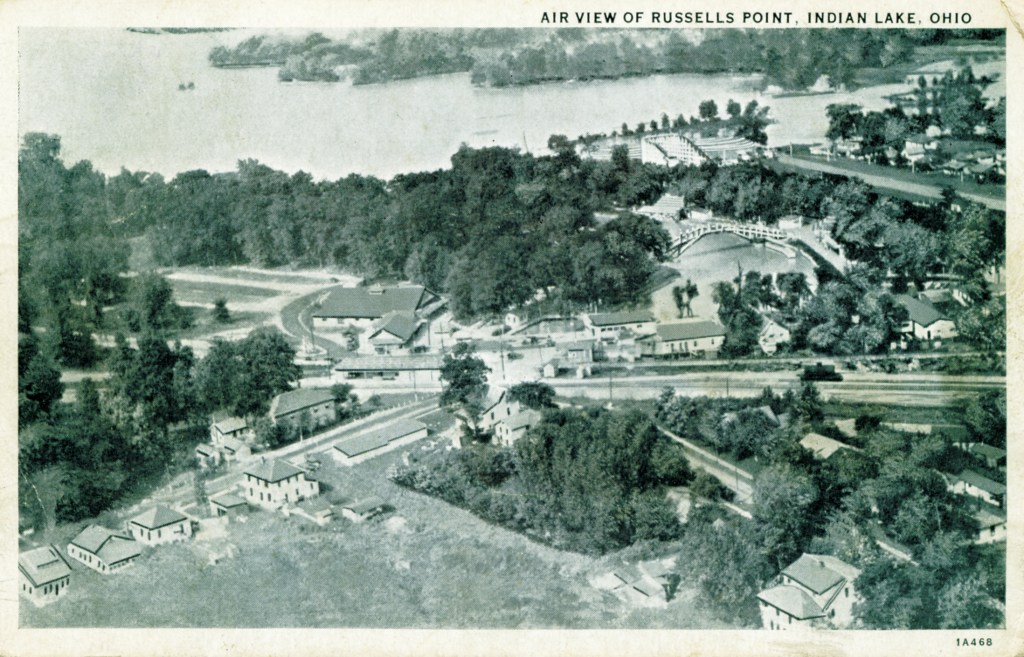
Aerial view dated 1932 looking northward at what used to be the center of Russells Point.
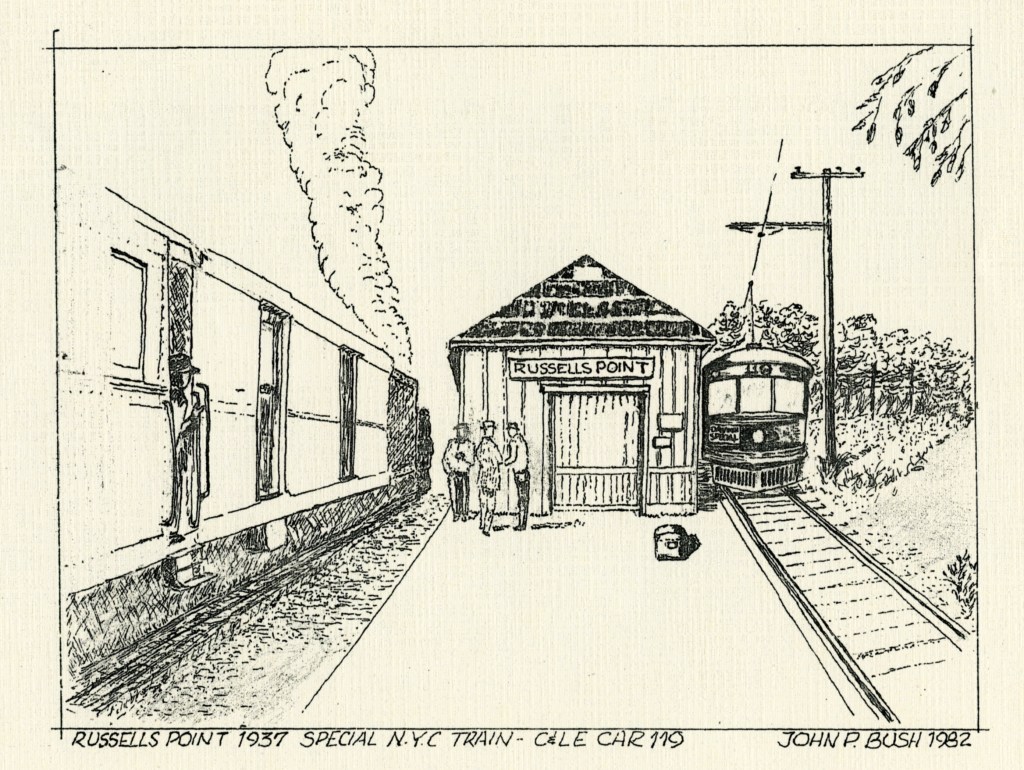
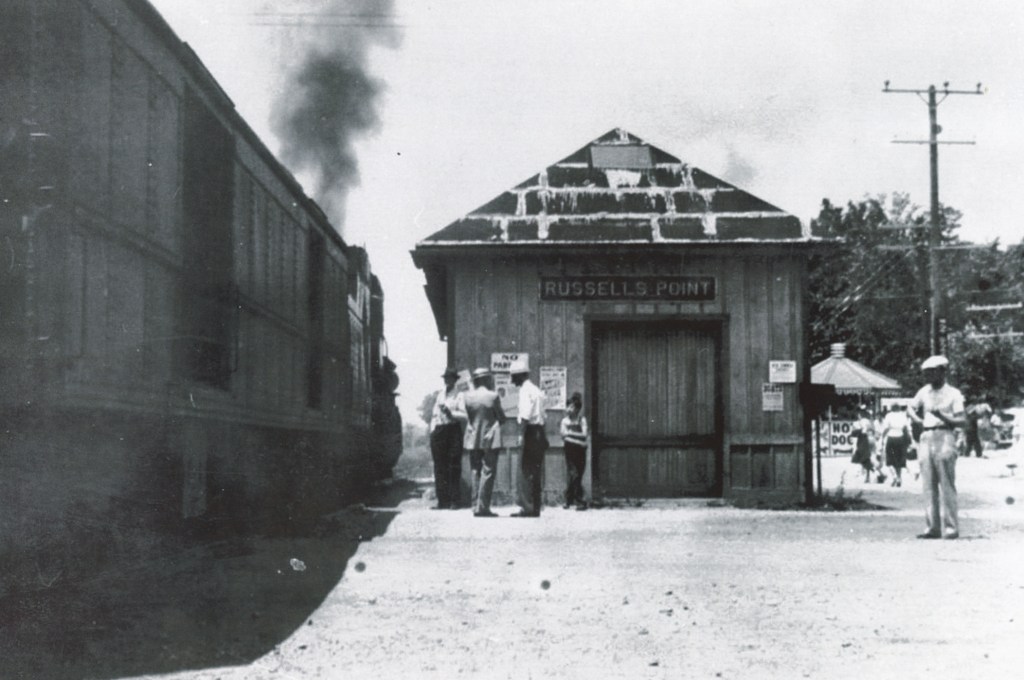
It looks like John Bush used this photograph as inspiration for his drawing, done in 1982. The person on the right has been replaced by an electric interurban rail car.
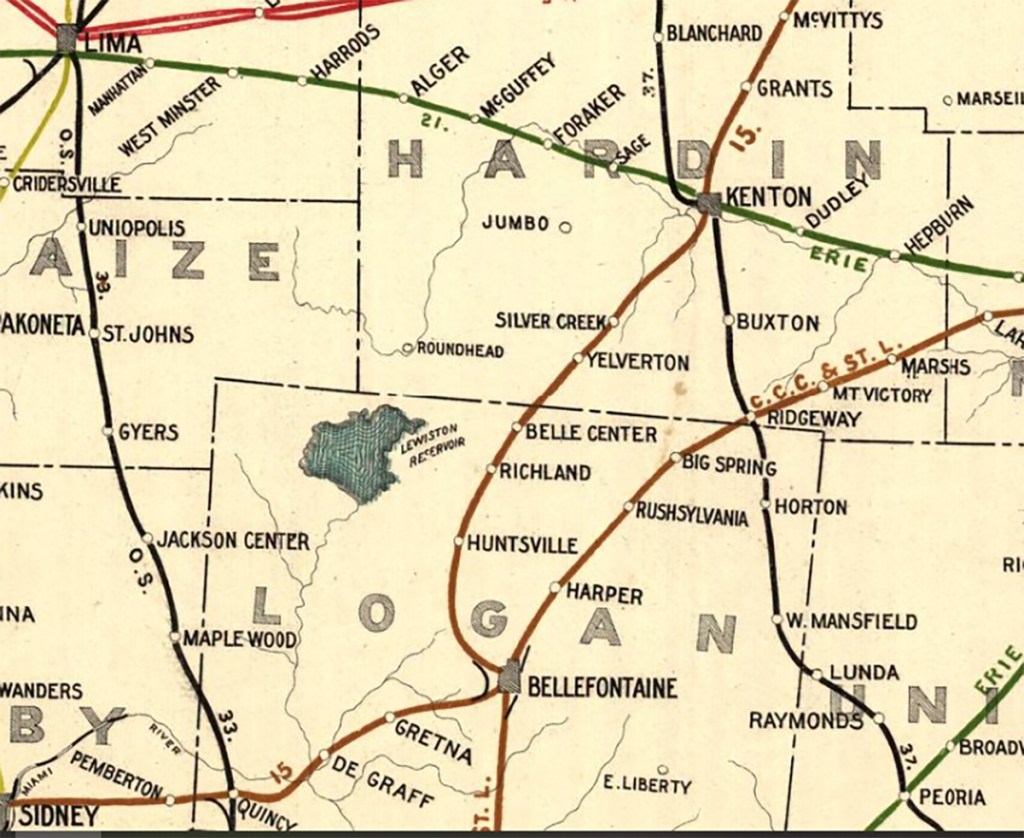
This detail of a map of railroad lines in Ohio from 1898 shows no lines servicing what was then known as the Lewistown Reservoir. To the west was the Ohio-Southern Railway through Jackson Center and Quincy, while to the east the Cleveland and Cincinatti Railway ran from Bellefontaine to Kenton, making stops in Huntsville, Richland (!) and Belle Center. A decade later Russells Point and Lakeview were serviced by two lines, the Toledo and Ohio Central Railway running from Bellefontaine to Wapakonetta, and an interurban line from the Ohio Electric Railway, connecting Bellefontaine with Lima.

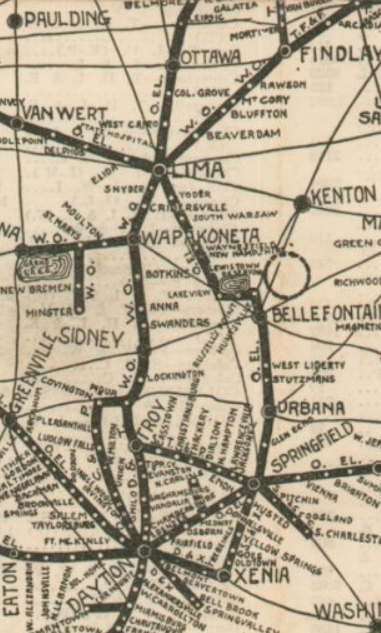
The map on the left shows a detail of a 1914 Railroad map with the T & OC line from Bellefontaine to Wapakonetta (yellow line) and the Ohio Electric Railway from Bellefontaine to Lima (dashed red line). The map on the right is a detail of the network of the Ohio Electric Railway.
A post on midstory.org gives a brief history of the rise and fall of interurban rail in Ohio.[1]
Ohio was once the center of innovative public transit—more specifically, electric interurban rail, which had a brief but vibrant life as a transition between main-line railroads and automobiles for short-distance travel.
Interurbans, as their name suggests, are small trains run on electrified lines connecting major cities and small towns, and they were a popular method of transportation throughout the country in the late 19th and early 20th century. The first line in Ohio, by some accounts, was the Newark & Granville, and by 1889 the rapid expansion of the Ohio interurban system had begun—replacing the canal system as the preferred transportation method for the region as investment in railroads through the Ohio Loan Law helped push canals out and railroads in. The state was covered in 2,798 miles of track, the most of any state by around 1,000 miles. Practically every town with a population of 5,000 or more was reachable by the system, which included nearly 100 individual lines run by a handful of major companies.
Ohio’s flat terrain and combination of densely populated cities and smaller agricultural communities made it the perfect candidate to become the interurban center of America, and electric rail’s speed and inexpensiveness when compared with steam rail made it an attractive option for Ohioans. Cities like Toledo were also quite prosperous at the time, due to the trade access and employment opportunities offered by the railroad industry.
The interurban system’s impact reached beyond travel to improve the Ohio landscape in cultural and economic ways, as well. As documented in a 1906 issue of the Journal of Political Economy, Ohio interurbans allowed rural populations easier and cheaper access to cities, which in turn meant improved access to urban social life and better schools. Rural workers, like farmers and merchants, also gained better access to transportation for themselves, their laborers and their merchandise. Although most major environmental movements were decades away, the 1906 piece mentions the improvement of air quality thanks to the preference of electric interurbans over steam rail in most areas. Finally, interurban railroads had a positive effect on the real estate market wherever they went; homes along the tracks increased greatly in value. The cultural impact of the interurban was undeniable, to the point where everybody wanted in on the trend.
Much like the canal system before it, Ohio’s interurban network fell from grace after being replaced by ostensibly superior technology. The automobile was not terribly popular initially, being relatively impractical because of its cost and fragility. The advent of the Model T made cars cheaper, however, and the introduction of paved roads made automobile fragility much less of a deal breaker. The death knell of the interurban industry came along with these changes, and, although some of the companies continued as electric providers, the final train ran in 1938. The tragic history of this seemingly outdated system, however, could be a guide forward for Ohio’s public transit, under the right circumstances.
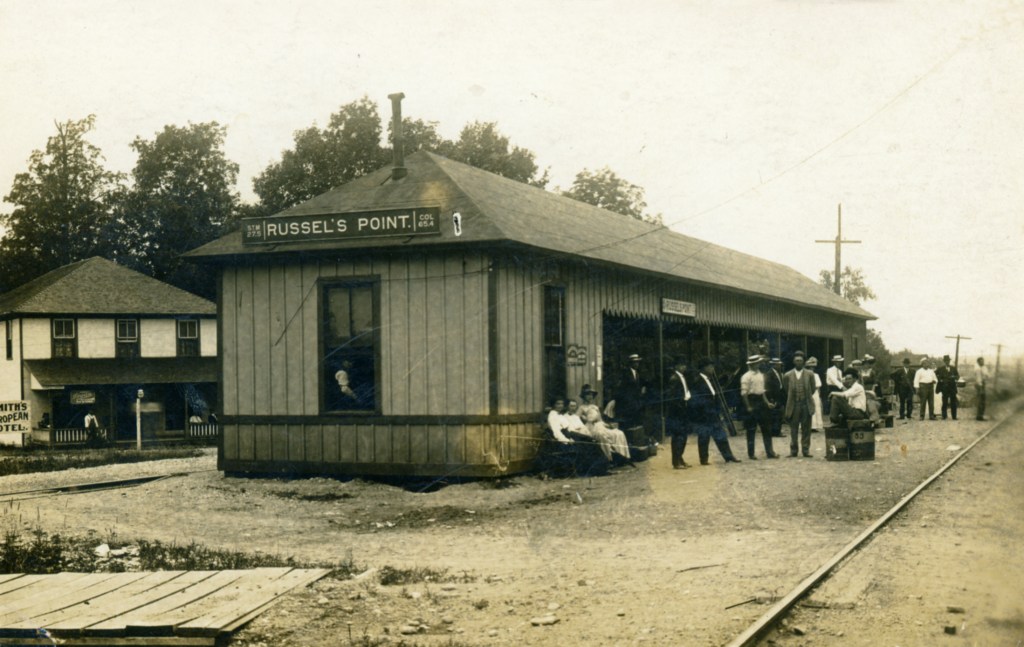
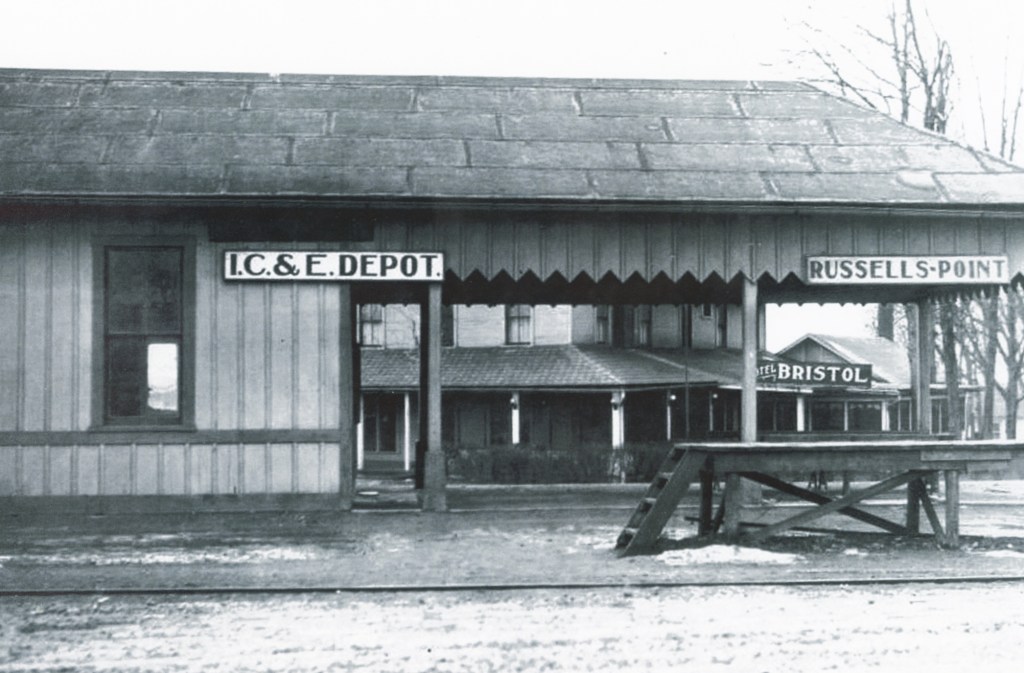
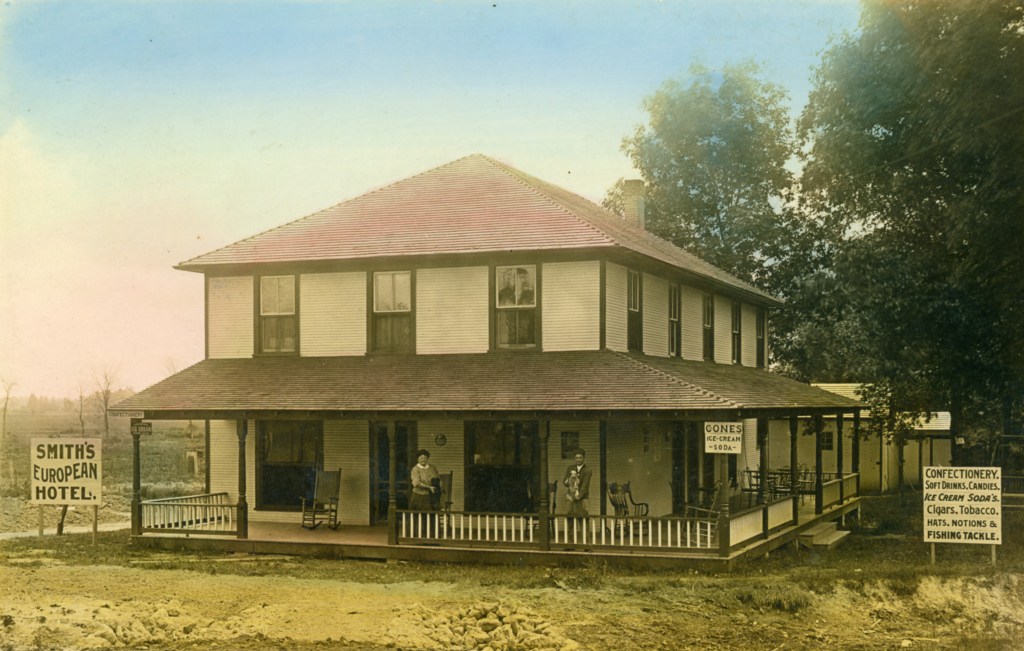
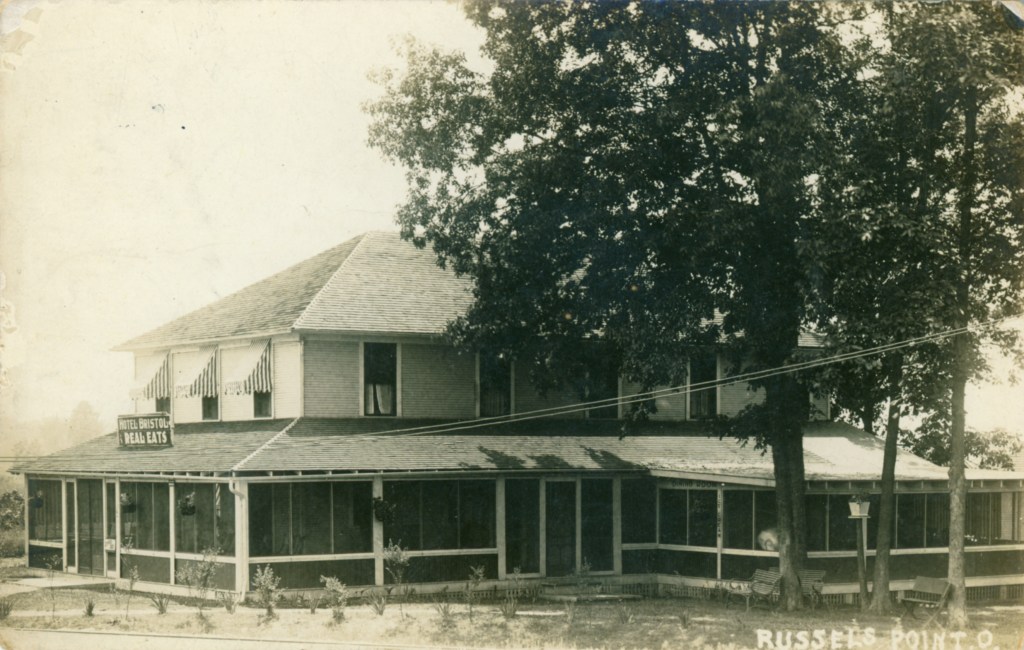
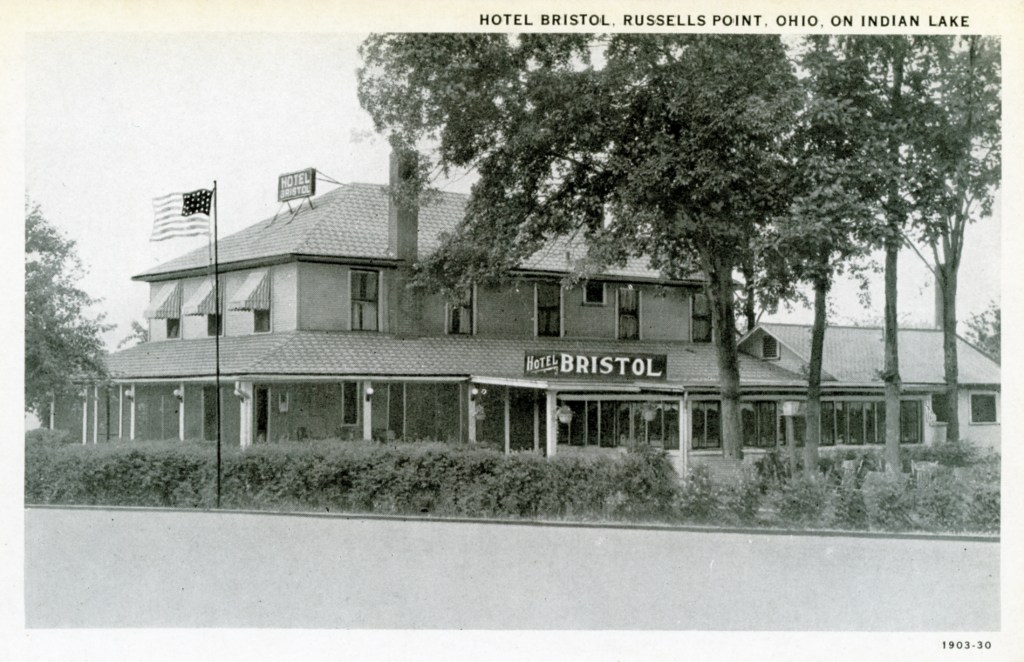
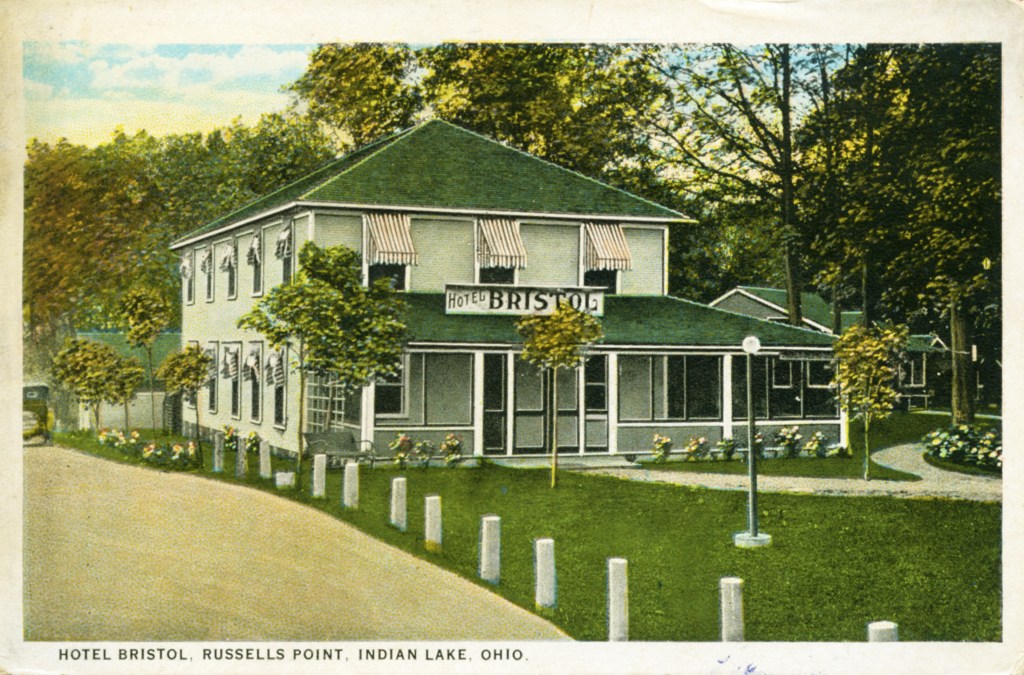
Looking west towards Lakeview. The interurban electric line was on the right and the T & OC line on the left of the station. The building in the background is the Smith Hotel, later called the Bristol Hotel.
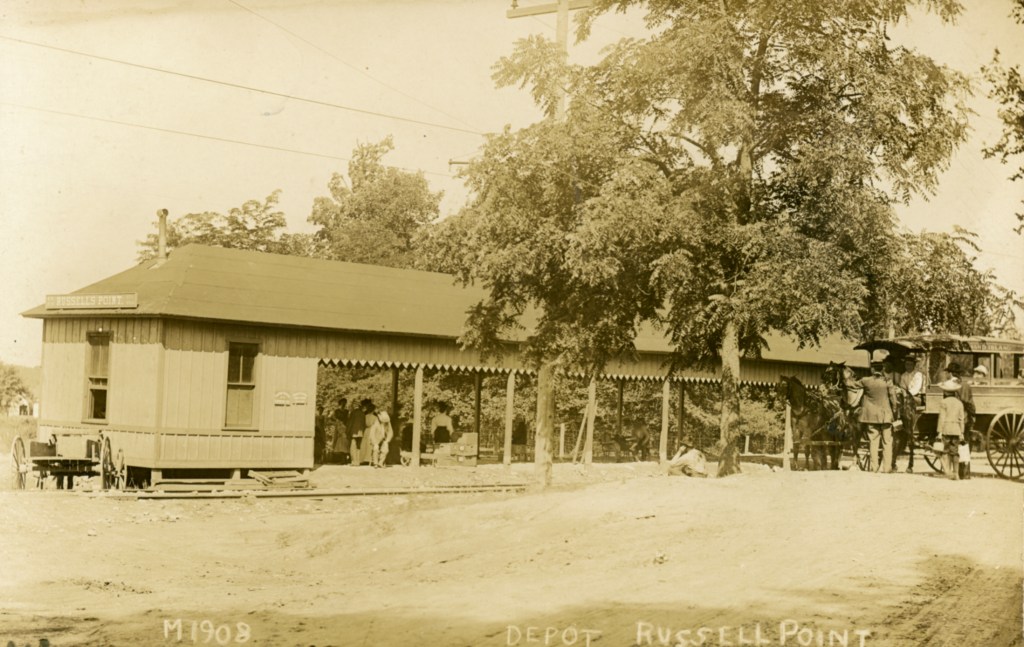
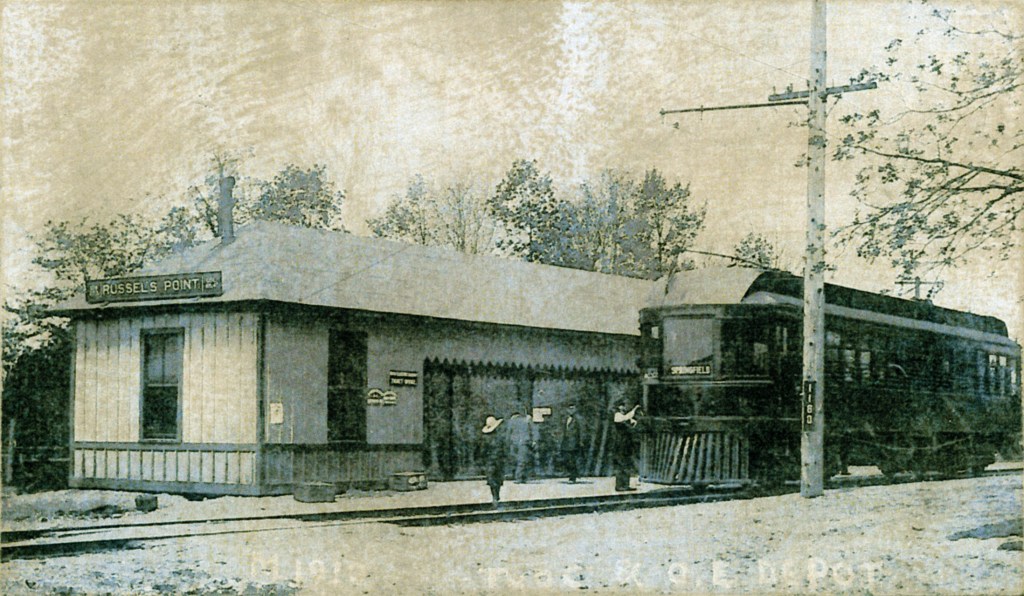
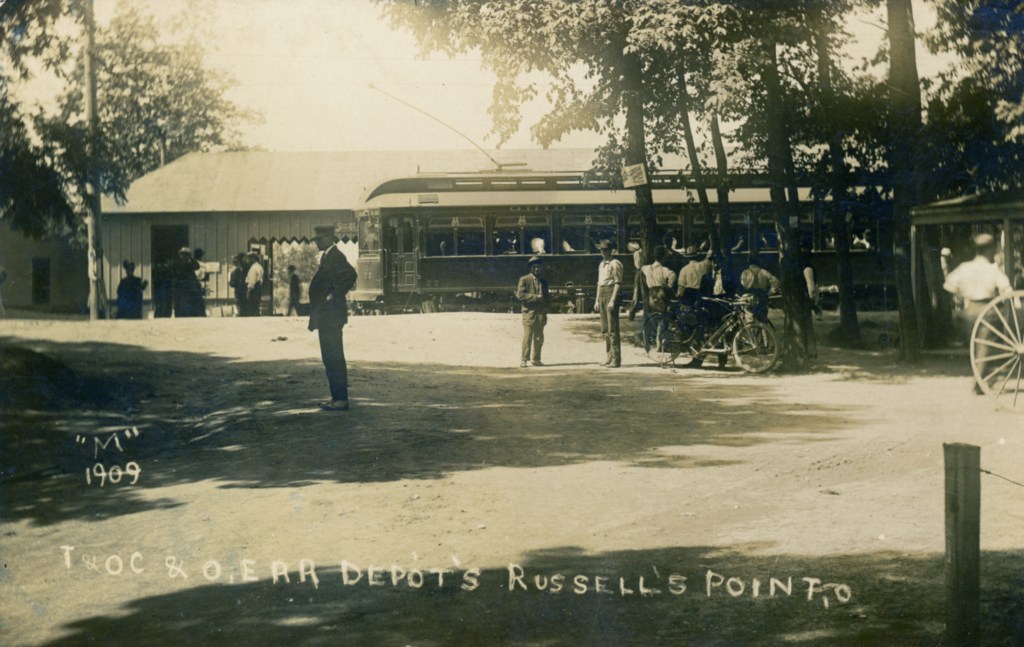
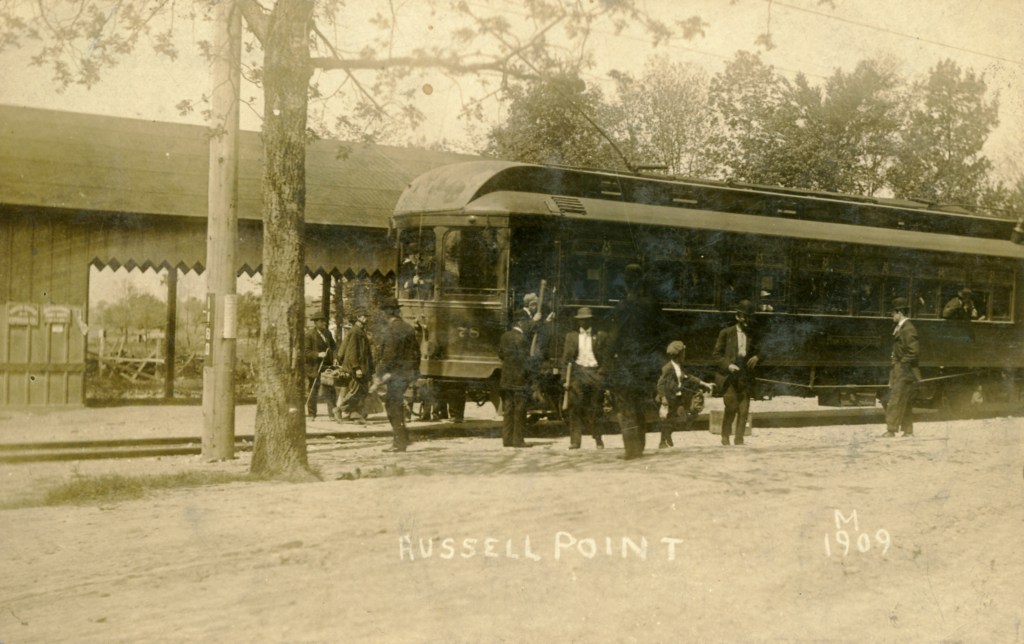
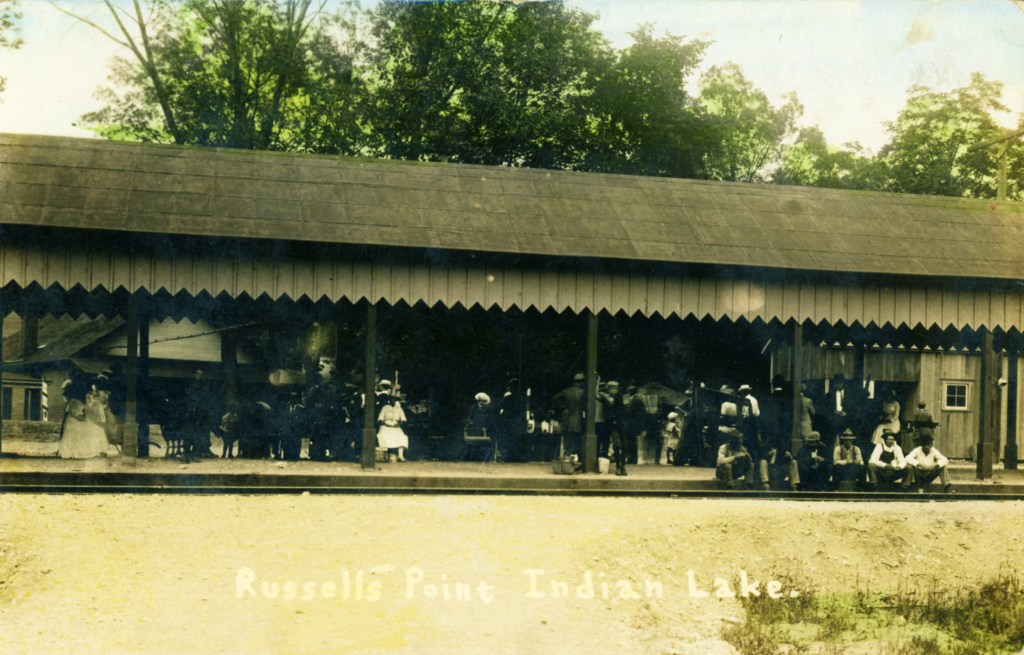
Two postcards from 1909 looking south towards the railroad station. In front of the station is an electric interurban car. Because the interurban rail relied on electricity, arrival of the line in any town often also provided electricity to that town.
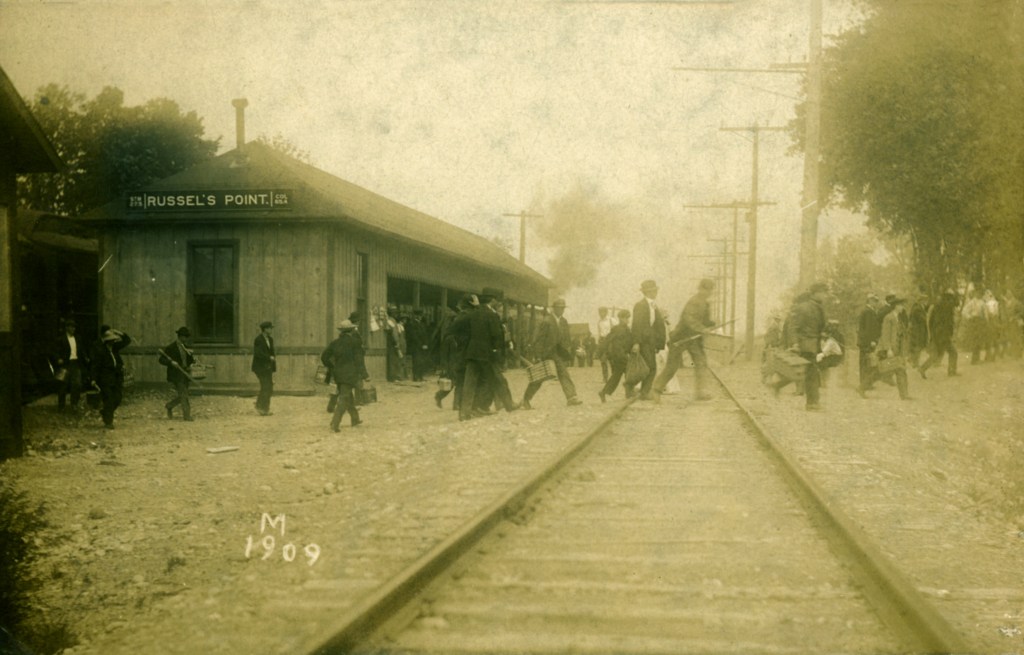
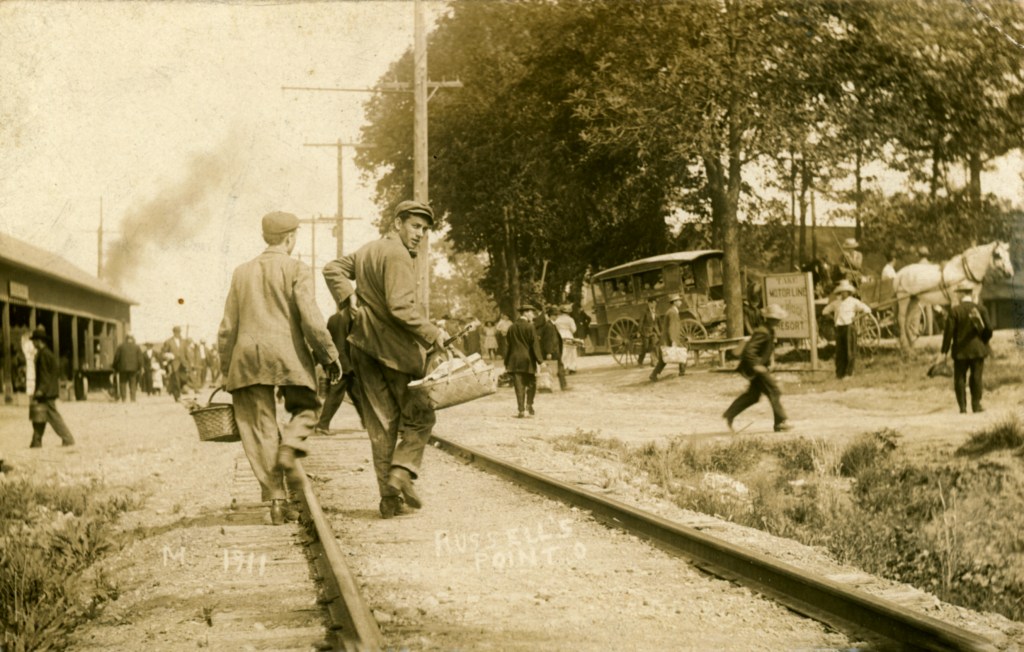
Passenger debarking the train and passing over the tracks on their way to the center of town. The sign across the tracks advertises rides to the main attractions. Note the electric poles along the tracks, providing electricity to the trains. Postcard dated 1911.
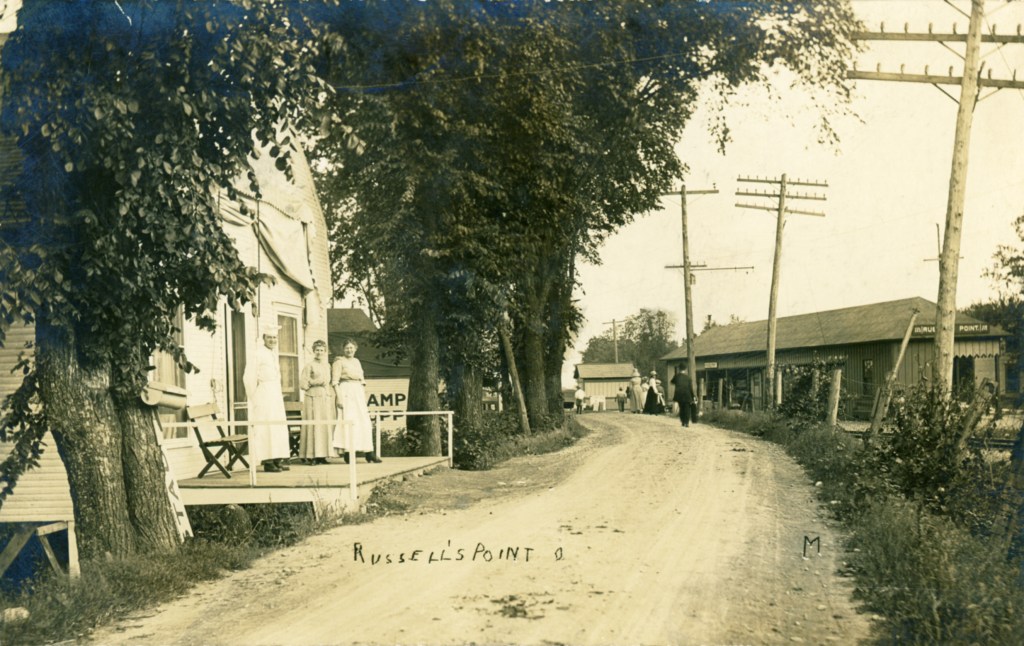
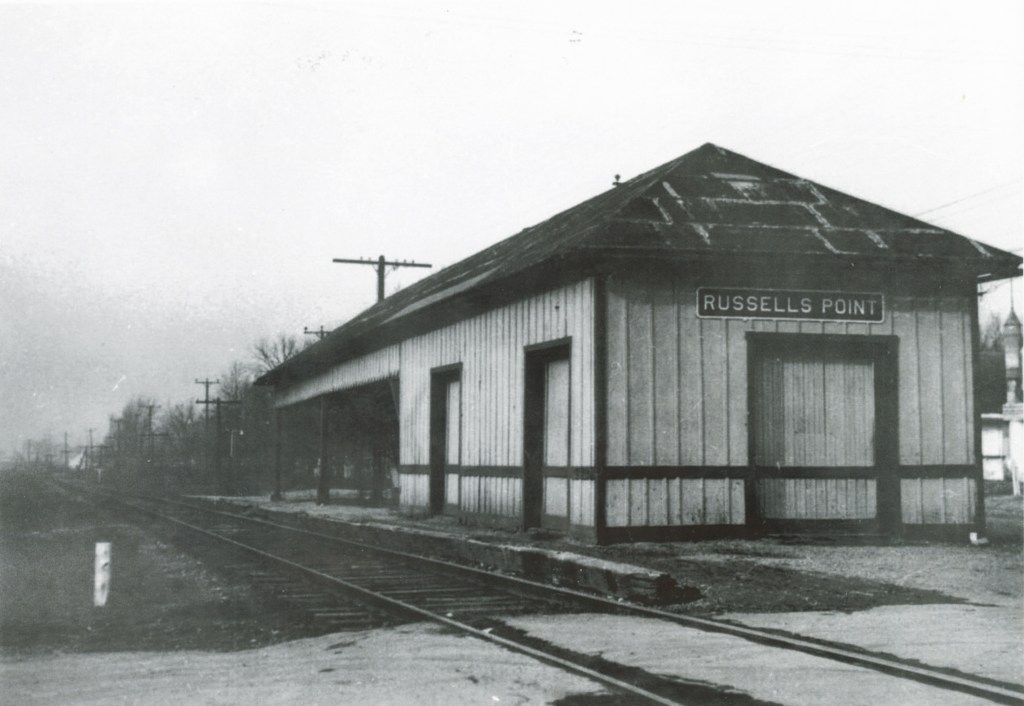
This postcard dated 1912 shows the backside of the railroad station.
[1] https://www.midstory.org/when-ohio-was-the-future-of-public-transit-the-interurban-era/
 Vintage Postcards of Indian Lake, Ohio